


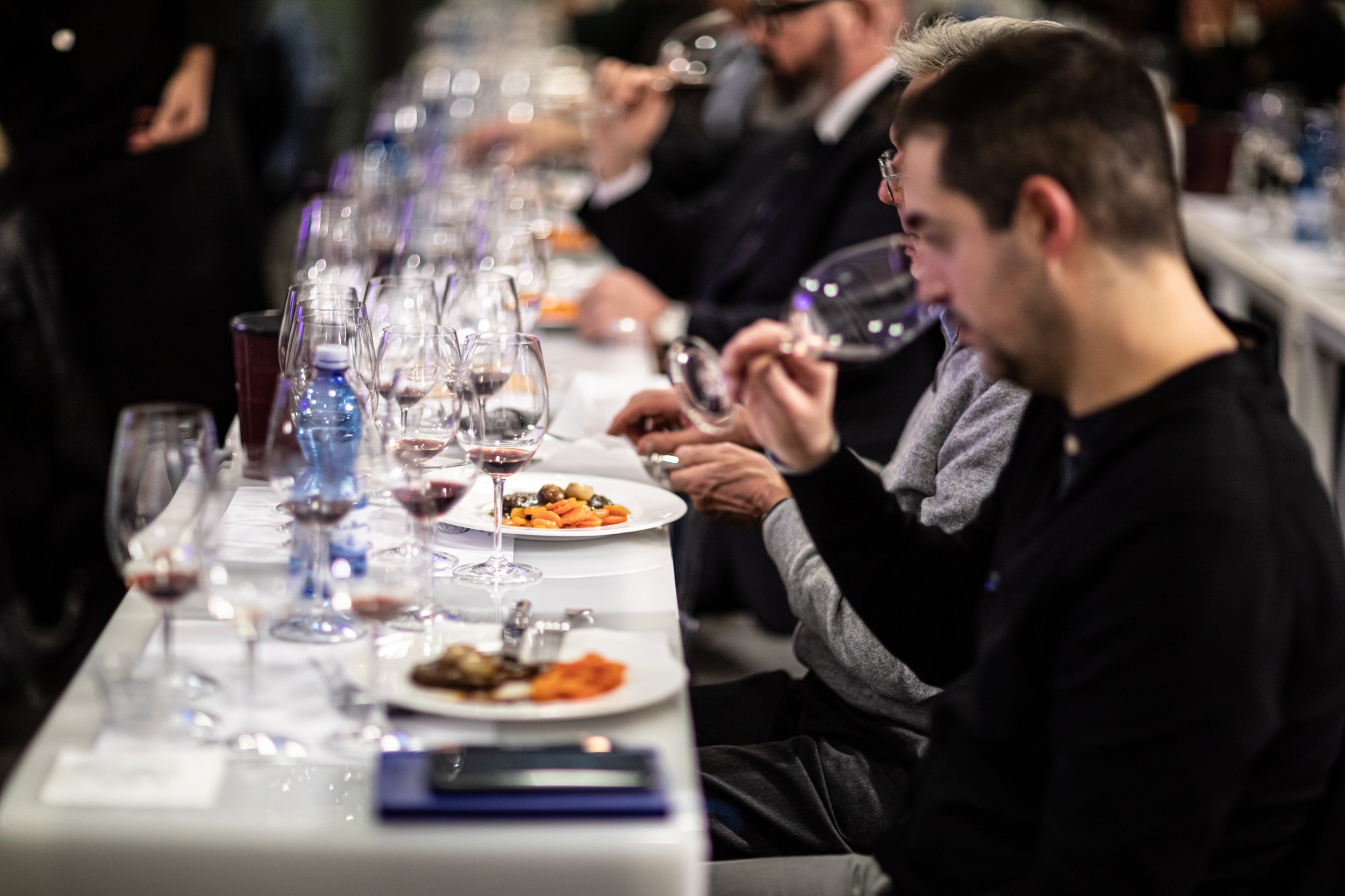
Wine: the first anti-stress drug in history
Wine has been building relationships, fun, shared time for ten thousand years
Wine doesn't work miracles. It does not open arteries, repair cells, extend our smiles to 120 years, or preserve the optimism of when we were 20. But one thing it always does is bring us together. Not since today, but since about 11,000 years, since we grew the vine, 1,000 years before grain. Wine brings us back to its natural resources: culture, conviviality, history, fun.
The first anti-stress
Cities, religions, political and philosophical choices emerged around wine: the dimension of Plato's symposium.
"Wine was the first anti-stress drug in history," I read somewhere. In small quantities, it has a positive effect on our brain, reducing tension, slightly increasing dopamine levels, stimulating endorphins and giving a sense of well-being.
It can have a similar effect to certain anti-anxiety drugs, the use of which has exploded in recent years.
The typical feature of our time is something else: we cling to a single fact, whether positive or negative, and isolate it from context. We read a headline, or not even that, and form an unwavering opinion on it. Wine contains alcohol, a Group 1 carcinogen , and that is a fact. But we rarely look at the big picture, the effect on quality of life, on relationships. We live by pleasure, not numbers
At meals
Isolation and loneliness kill. And in the elderly, a sense of community, combined with moderate consumption of wine, has even more pronounced effects. In the rural areas of Italy, there is a here and there concentration of 90- to 100-year-olds. A common element recurs: wine, especially red wine, drunk at meals, within a network of strong relationships.
Drinking in moderation at the table is an act of civilization, because wine is never abstract: it is a place, an accent, a person. Or, more simply, a moment that has persisted for 11,000 years.


Comments
Login to give reaction Your comment will be posted as soon as it is approved.