

The article earlier this week on Bag in A Box for Nebbiolo DOC has had 887 readers in just a few days. High time, then, to throw in some additional reading.
The taboo (and temptation) of wine in bag-in-box: many do it, no one talks about it.
Just over 3.5% of the world's wine trade is via bag-in-box. But skepticism still surrounds this format, so popular in Scandinavian and British markets. This "bag-in-a-box" format, invented in 1955 by American chemist William R. Scholle and first applied in viticulture ten years later by Thomas Angove in Australia, has now been around for seventy years. It has played its part in the history of wine and is today an indispensable part of international trade. Certainly not the most important, but an important one, at a stage when consumers are looking at price, convenience and durability.
In fact, Italy discovered the bag-in-box during the 2020 pandemic. Wholesale distribution gradually introduced it alongside and replacing the classic glass basket bottles. Ordinary wines and IGT wines have widely used it, and several DOC wines have chosen to explore its possibilities.
Of course, producers' opinions on this practical and lightweight packaging, considered useful by some and degrading to the wine by others, are not unanimous, as was recently seen with the DOC Langhe Nebbiolo. In a context like Italy's, which is traditionalist and less inclined to innovation than others, it takes longer to make something acceptable. But there is movement and the discussion is lively.
Global and Italian market development
Exports between January and October 2025 show that formats between 2 and 10 liters (including bag-in-box) are growing for ordinary wines (+29.4% to 10 million euros and +14.8% by volume), while they are falling for DOP (-3% to 28.8 million and -5.3%) and for IGP (-6.6% to 39 million euros and -7.5%). Returning to the years of the pandemic (2020), Italian bag-in-box exports reached a value of one hundred million euros.
Pros and cons: between conviction and skepticism
Figures aside, Italian competition has regained strength. The consumption crisis has forced companies united in consortia to reconsider and expand their marketing options, which has changed production rules. The use of bag-in-box, which is prohibited for DOCG wines, is regulated by Article 8 of the production rules.
The temptation of bag-in-box is to some extent transversal. Protection consortia that have taken over include, in addition to that of Barolo Barbaresco Alba Langhe and Dogliani for the Doc Langhe Nebbiolo, numerous other docs all over Italy.
The results in the Doc Piedmont: share increased to 40%
The Doc Piemonte, within the Consortium Barbera d'Asti e vini del Monferrato, allows the bag-in-box format, which is gradually gaining market share. As emphasized by president Vitaliano Maccario: "A fundamental format, especially in the Nordic countries, where the 3 liters perfectly meets the needs of consumers in terms of responsible consumption and storage of wine. It is no coincidence that this format has grown from about 30% of Piedmont Doc in 2020 to 40% in 2025." For Maccario, alternative bottle formats are a central issue for many Doc "especially in terms of sustainability, ease of use and a concrete response to the consumption habits of certain markets." It can be a strategic lever to valorize them "when included in clear and strict regulations that can guarantee the quality, traceability and identity of the product."
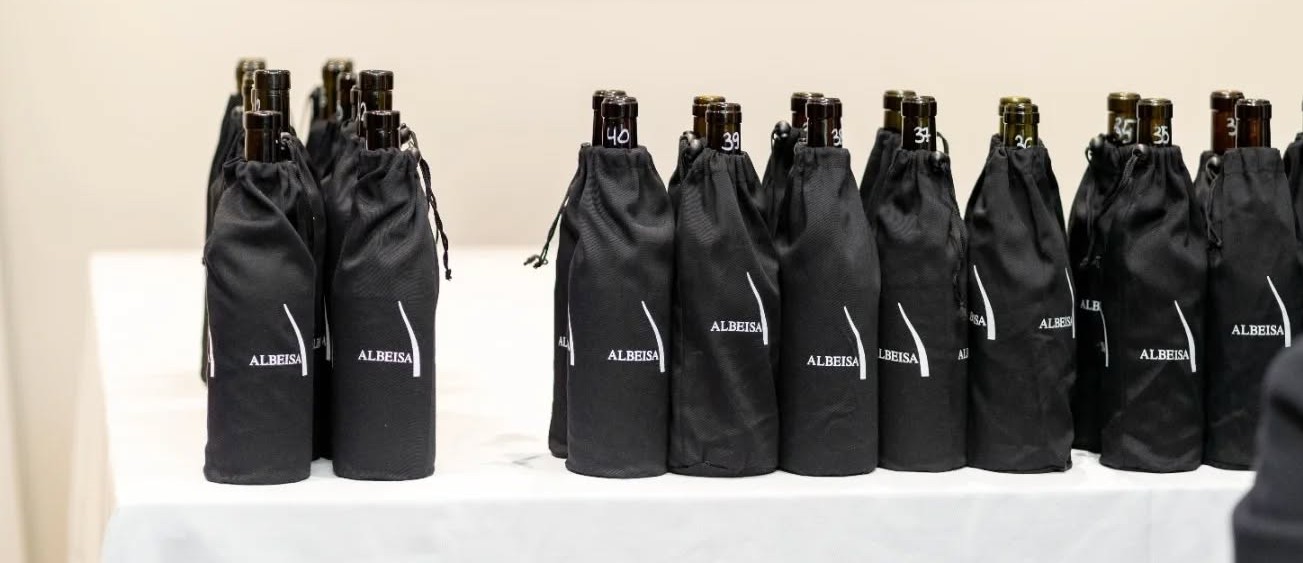
Which of these Albeisa bottles of Nebbiolo Doc will also soon be available as Bag in A Box?
Comments
Login to give reaction Your comment will be posted as soon as it is approved.