

Barolo D.O.C.G.
10 Items
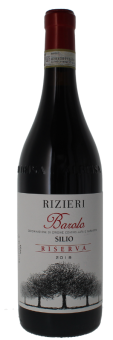
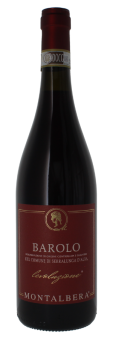
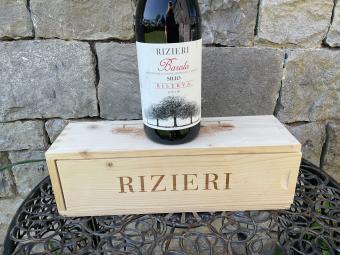
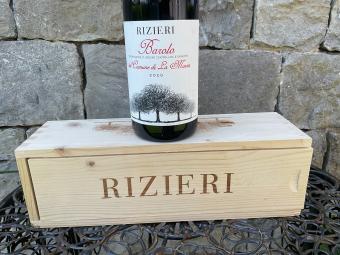
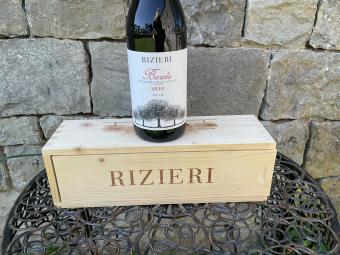
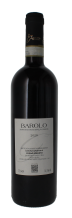
Brand: Cascina Gavetta
Barolo: The king of Italian wines and the pride of the Langhe
Barolo – The King of Italian Wines
Overview
Barolo is often referred to as the ‘king of wines and the wine of kings’ – and with good reason. It is one of the world’s most sought-after red wines. It is produced exclusively in a small, hilly area in the Langhe region of Piedmont, in north-western Italy, from 100% Nebbiolo grapes, and has held DOCG status since 1980.
Eleven municipalities surround the village of Barolo – including La Morra, Castiglione Falletto, Serralunga d’Alba and Monforte d’Alba. Each contributes something unique: a soil type, a slope angle, a microclimate that leaves its mark on the wine. The result is a wine that ages beautifully – capable of ageing for 20, 30, sometimes even more than 50 years, and slowly developing into something of almost impossible complexity.
You’re looking at a minimum of 38 months’ ageing, at least 18 of which are in oak.
The grape – Nebbiolo
It all begins with Nebbiolo – one of Italy’s most difficult grapes to cultivate, but incredibly rewarding when successful. The name likely derives from ‘nebbia’, the Italian word for mist, referring either to the autumn mist that drifts over the Langhe hills during the late harvest, or to the waxy bloom that covers the ripe berries. Both explanations actually make sense.
What makes Nebbiolo so striking is the contrast it presents. The colour is a surprisingly light garnet red, often shifting to brick orange as the wine ages – deceptively light for a grape that is so powerful. The tannins are known to be firm and form the backbone for exceptional ageing. The acidity is high and lively, ensuring that even mature bottles retain a sense of freshness. The alcohol content naturally ranges between 13.5% and 15%.
And then there are the aromas. Rose petals, violets, sour cherries, raspberries. Then tar, liquorice, leather, tobacco. Dried herbs, truffle, forest floor. It is a lot – and somehow it all fits together.
Nebbiolo is also exceptionally sensitive to the terroir in which it grows. The specific limestone-clay soils and south-facing slopes of the Langhe are, in essence, indispensable. That is why genuine Barolo cannot be replicated anywhere else in the world – the grape simply won’t cooperate.
Wine style
There is something paradoxical about Barolo. Power and finesse in the same glass. Young vintages can feel austere, almost intimidating, pure tannin and structure. But time changes everything, softening that grip and revealing something deeply fragrant and nuanced beneath.
What you get:
- Body: Full-bodied and structured
- Tannins: Firm and assertive when young, silky smooth and integrated as the wine ages
- Acidity: High and refreshing
- Alcohol: Generous, 13.5%–15%
- Aromas: Rose, violet, dried cherry, tar, leather, truffle, tobacco, liquorice, balsamic herbs
- Palate: Intense, layered, long and persistent – the characteristic ‘tar and roses’ profile
- Finish: Exceptionally long with minerality and complexity
- Ageing potential: 15–30+ years for top vintages and Riservas
Two schools of Barolo
Modern Barolo reflects two stylistic traditions. Both traditionalists and modernists have their place.
Traditionalists use long macerations and large neutral oak vats – botti grandi – and produce austere, slow-maturing Barolos with pronounced tannins and earthy complexity. These wines need time. They actually demand it.
Modernists work with shorter macerations and French barriques, creating softer, fruitier and more accessible Barolos with rounder textures and a more international refinement.
Nowadays, many top producers borrow elements from both camps, combining old instincts with newer refinements.
Food pairings
Barolo’s body, acidity and complexity make it a natural match for rich, savoury dishes – particularly the hearty cuisine of Piedmont itself.
Classic & traditional pairings
Regional pairings are the obvious starting point, and they work for good reason. Brasato al Barolo – beef braised slowly in Barolo wine – is the ultimate expression of this. Then there is tajarin al tartufo, the thin Piedmontese egg pasta with white truffle from Alba. Agnolotti del plin, those small stuffed pasta parcels with roasted meat and a butter sauce. Creamy risotto with white truffle. Bollito misto, the classic mix of boiled meats served with salsa verde.
Meat & game: As well as regional classics, Barolo also pairs well with robust flavours. Roasted, braised or grilled red meat – beef, lamb, venison. Game birds such as pheasant, partridge, guinea fowl or wild duck. Wild boar stew (cinghiale in umido), osso buco, slow-cooked beef ragout. These are the kinds of dishes where Barolo really comes into its own.
Cheese: Mature hard cheeses are reliable companions here. Parmigiano-Reggiano, Castelmagno, mature Pecorino, Grana Padano. Also mature Alpine varieties such as Bra Duro or Toma Piemontese stagionata.
Truffle and mushroom dishes: White truffle from Alba is the legendary pairing – almost mythical at this point. But risotto with porcini mushrooms, truffle-enriched egg dishes and tagliatelle with mushrooms also pair beautifully.
Serving tips
Serve at 16–18 °C. Decanting is highly recommended – at least 1–2 hours for young Barolos, and even older bottles benefit from gentle aeration. Use a large Burgundy-style glass or a special Barolo glass to give those complex aromas room to unfold.