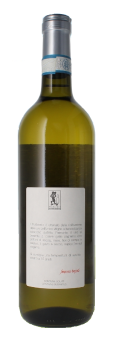
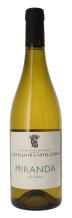
Erbaluce from Piedmont: a versatile, mineral-driven white wine
Erbaluce is one of Piedmont’s oldest white grape varieties. It is native to the rolling hills and morainic amphitheatre north of Turin, between Caluso and the foothills of the Alps in the provinces of Turin, Biella and Vercelli – and takes its name from the Italian words erba (grass) and luce (light). It is a poetic reference to the golden-amber hue the berries take on as they ripen under the late summer sun.
The grape has been documented in Piedmont since at least the 16th century and was first mentioned by agronomist Giovanni Battista Croce in 1606. What makes Erbaluce truly special is its versatility. There are few Italian grapes capable of producing three completely different styles of high-quality wine: fresh, dry white wines, sparkling wines made using the traditional method, and the sweet Passito – a dessert wine with serious ageing potential.
What Erbaluce tastes like
Erbaluce is a vigorous, late-ripening grape. Cool Alpine air, large fluctuations between day and night temperatures, and well-draining soils all determine what ultimately ends up in the glass.
The acidity is the first thing you notice. Lively and zesty, it gives the wine both structure and staying power. Then there is the minerality – sharp, almost briny. Aromatically, the grape leans towards citrus and white flowers rather than anything powerful or tropical. And it ages particularly well in the Passito version.
Food pairings
Dry Erbaluce
With seafood, it goes with everything – oysters, prawns, scallops, seafood carpaccio, sushi, insalata di mare.
Also with fish dishes: grilled trout, whitefish such as whitefish and perch, sea bass, fish in citrus sauces.
Piedmontese classics such as vitello tonnato, Russian salad, agnolotti in butter and sage, risotto with herbs or lemon, and fritto misto are naturally a good match.
With the aperitivo: anchovies, cold cuts, focaccia, fresh goat’s cheese, bagna càuda. And with white meat: roast chicken, rabbit, guinea fowl, pork with herbs.
Erbaluce Spumante
A natural aperitif. Olives, taralli, almonds, Parmigiano.
It also pairs well with lighter dishes – sushi, raw fish carpaccio, crudités, oysters, and platters of shellfish and crustaceans.
As for cheese, fresh Robiola, Tomini and mild Toma Piemontese are all good choices.
Caluso Passito
Almond tart, hazelnut cake (torta di nocciole), panettone, biscotti, crème brûlée.
With cheese: blue cheeses such as Gorgonzola or Roquefort, matured Castelmagno, well-aged Toma.
It also pairs well with foie gras and rich pâtés.
But it is just as delicious on its own – served at the end of a meal as a meditation wine.
Serving temperatures:
Dry still wine at 8–10 °C
Spumante at 6–8 °C
Passito at 10–12 °C