

Freisa
3 Items
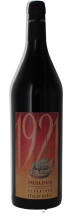
Brand: Ivaldi Dario
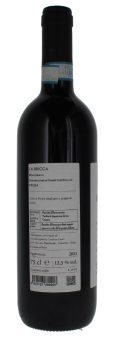
Freisa: Nebbiolo’s quirky, aromatic cousin
Freisa – The distinctive, aromatic red wine from Piedmont
Brief description
Freisa is one of the most characteristic and, frankly, most misunderstood red grape varieties in Piedmont. With a history stretching back centuries. A personality unrivalled in the region. And a style so unconventional that it has charmed and divided wine lovers in equal measure for generations. It was once one of the most widely planted grapes in the whole of Piedmont, but during the 20th century it fell seriously out of fashion as drinkers sought drier, more international styles. Nowadays, however, something is changing. A passionate revival is underway, driven by quality-focused producers who see something irreplaceable in Freisa: the soul of authentic, traditional Piedmont.
The name of the grape is probably derived from the Latin *fresia*, or possibly from the French *fraise* (strawberry). This is fitting, given the aromas of wild strawberry and raspberry that are characteristic of this grape. DNA analysis by Vouillamoz in 2004 confirmed something else remarkable: Freisa is a close relative of Nebbiolo and has a parent-offspring relationship with Piedmont’s most celebrated grape. You can taste that kinship in the high acidity, the firm tannins and the light ruby-red colour. But the aromatic profile? That is entirely unique to Freisa.
Freisa is grown throughout Piedmont and is protected by various appellations. **Freisa d'Asti DOC** covers the hills of the province of Asti and often produces *frizzante* wines – lightly sparkling, sweet or dry. **Freisa di Chieri DOC** comes from the hills south-east of Turin and is available in both still and sparkling versions. **Langhe Freisa DOC**, from the Langhe hills around Alba, tends towards still and dry. **Monferrato Freisa DOC** comes from the Monferrato hills.
Grape variety
Freisa ripens late. It is a vigorous grape that thrives on the chalky, marly slopes of Piedmont, producing wines with a pale ruby colour, high acidity, firm tannins and intensely fruity, floral aromas. That combination – playful yet structured – makes Freisa so difficult to pigeonhole and, in practice, so easy to love once you stop trying.
The colour ranges from light ruby red to medium garnet red, often with violet hues in its youth. The tannins are moderate to firm, sometimes slightly grippy – a characteristic it shares with Nebbiolo. The acidity is high and lively, providing real freshness and vibrancy. The alcohol content is a moderate 11.5%–13.5%. And the aromas? Wild strawberry, raspberry, red cherry, rose petals, violets, white pepper and a subtle spicy undertone running through it all.
Lively strawberry-raspberry fruit enveloped in floral, slightly spicy aromas. That is its hallmark. It ranges from playfully fruity in sparkling versions to genuinely serious and structured in still, dry styles.
Wine style
Few Italian grapes are produced in as many different forms as Freisa. Dry and still. Dry and *frizzante*. Sweet and *frizzante*. Sweet and *spumante*. Occasionally even as *passito* dessert wine. This range is no modern invention – it reflects Freisa’s traditional role as the versatile peasant wine of Piedmont, where every family had a preferred style and no one really agreed on what it should look like.
The two main styles
Freisa Frizzante / Amabile (traditional style) is lightly sparkling, often slightly sweet (*amabile*) or semi-dry. Lively. Fruity. Easy to drink. Made using the Charmat method or traditional secondary fermentation, this wine offers lively strawberry and raspberry aromas with soft bubbles. This is the classic Piedmontese trattoria wine – served well chilled with savoury local dishes.
Freisa Ferma / Secca (modern dry style) is something quite different. Still, dry and structured, with firmer tannins and real ageing potential. Often aged in oak for added complexity. Here, Freisa’s kinship with Nebbiolo is impossible to ignore – serious examples can evolve for 5 to 10 years or more. Artisanal producers such as Giuseppe Mascarello, Cavallotto, G.D. Vajra and Coppo have made this style their own.
General style profile: light to medium-bodied, moderate to firm tannins (grip in its youth), bright, refreshing acidity, aromas of wild strawberry, raspberry, red cherry, rose, violet, white pepper and herbs. On the palate: fresh and fruity, with a characteristic, slightly bitter-almond-like finish and a hint of pleasant astringency in the aftertaste. Frizzante styles are best drunk young, within 1–3 years. Serious still versions can be kept for 5 to 10 years or longer.
Food pairing
Above all, Freisa is a wine to drink with food. High acidity, firm tannins, bright fruit – it is made for the table, and particularly for the rustic, flavourful cuisine of Piedmont.
Classic Piedmontese pairings: The logical starting point is *bagna càuda*, the iconic warm anchovy-garlic dip served with vegetables. Also: salami and cured meats, *vitello tonnato* (veal with tuna and caper sauce), *agnolotti del plin* in butter and sage, *tajarin* with ragù or sausage sauce. *Bollito misto* – mixed boiled meats with salsa verde – goes down a treat. The same applies to *brasato*, slow-braised beef, particularly when paired with a dry, still Freisa.
Heavier main courses: Roast pork, sausages, stewed meat. Game birds – quail, pheasant, guinea fowl. Herb-braised rabbit. Grilled red meat and barbecue. And mushroom dishes, particularly porcini risotto, where the earthy, herbaceous notes of the Freisa find a natural counterpart.
Cheese: Toma Piemontese and other semi-mature Alpine cheeses are a natural pairing. Castelmagno with honey. Robiola and fresh goat’s cheeses go particularly well with *frizzante* varieties. Semi-mature cow’s milk cheeses go with everything.
Frizzante and sweet Freisa: Here the range of pairings is even wider. Charcuterie platters and antipasti. Pizza and casual dishes. Desserts with fresh fruit and berries with sweet varieties. Light chocolate desserts with sweet sparkling wines. And simply as an aperitif, served well chilled.
Serving tips
Frizzante* varieties: 10–12 °C, served chilled. Dry, still varieties: 15–17 °C, slightly chilled, just like a young Nebbiolo. Use a medium-sized red wine glass for the still versions and a tulip glass for *frizzante*. Decanting is optional for older, structured still Freisa. Drink *frizzante* styles young – within 1–2 years. Serious still versions can easily age for 5–10+ years.