


Brachetto d'Acqui
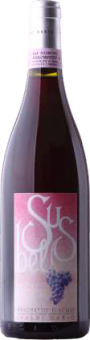
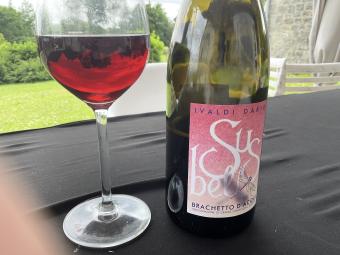
Brachetto d'Acqui: the sweet, sparkling romance of Piedmont
Brachetto d'Acqui – The romantic sparkling red wine from Piedmont
An introduction
Brachetto d'Acqui is sweet, slightly sparkling and, quite frankly, unlike almost anything else in Italy. It comes from the hills around Acqui Terme, a spa town in southern Piedmont, and has been known as the ‘wine of lovers’ for over two thousand years. According to legend, Julius Caesar served it to Cleopatra. That Antony and Cleopatra drank it together. The story stuck because the wine had already built up a reputation as an aphrodisiac long before anyone thought to write it down.
It was granted DOCG status in 1996. The production area covers 26 municipalities spread across the provinces of Asti and Alessandria, with Acqui Terme at its centre. Most Brachetto is made sweet and is slightly sparkling or fully sparkling, although small quantities of still and dry versions also exist.
Production is modest compared to the famous red wines of Piedmont. But Brachetto d’Acqui occupies a niche that almost no other wine has – it is one of the few sweet, sparkling red wines with DOCG status in the world. The most comparable wines are Lambrusco (usually drier) and Australian sparkling Shiraz. Neither is quite the same.
The appellation is divided into four categories. Brachetto d'Acqui DOCG is the classic sweet, lightly sparkling style. Brachetto d'Acqui Spumante DOCG is fully sparkling, made using the Charmat method. Acqui DOCG includes still and rosé versions. And Acqui Rosé DOCG is a delicate sparkling rosé.
The grape
Brachetto is an ancient grape. It is a native red grape from Piedmont with a history that may date back to Roman times, and it is closely related to – though genetically distinct from – Muscat (Moscato). It shares the floral, perfumed character of Moscato, but expressed through a red grape. That is quite unusual. Most people associate floral aromas with white wine. Brachetto completely defies that assumption.
The grape has a thin skin, ripens early and contains very little tannin. The wines are light ruby red with pink hues, soft in structure and striking on the nose. The grape thrives on the limestone-rich slopes around Acqui Terme, where the cool conditions preserve the delicate aromas and natural acidity.
In the glass, Brachetto smells of rose petals, fresh strawberries, raspberries, red cherries and violets – with undertones of candied fruit, musk and subtle herbs. Tannins are barely present. The acidity is moderate to lively, ensuring the sweetness remains fresh rather than heavy. The alcohol content is low, typically 5%–6.5%. The residual sugar in the classic style is around 60–120 g/l.
That combination – roses, red berries, a gently sparkling character, low alcohol content and a sweet yet clean finish – is found in virtually no other wine in the world.
How is it made
Brachetto d'Acqui is made using the Charmat (Martinotti) method, the same technique used for Prosecco. The second fermentation takes place in pressurised stainless steel tanks, which better preserves the grape’s lively aromas than traditional bottle fermentation. Fermentation is stopped early, preserving the natural grape sugars and keeping the alcohol content low.
The result is light-bodied and sweet – dolce, fresh, fruity, never cloying. The bubbles are lightly sparkling or fully sparkling, depending on the style. The tannins are almost imperceptible. The acidity is crisp and balanced. The flavour is juicy and floral, with a clean finish that lingers on notes of roses and berries. Drink it young – within 1–2 years of release – to taste it at its aromatic peak.
Why people love it
Sweet wines can feel heavy. Not Brachetto. The low alcohol content, crisp acidity and lively bubbles keep it refreshingly light, almost weightless. It’s the sort of wine that makes a Tuesday feel like a mini-holiday.
Food pairing
Brachetto d'Acqui is first and foremost a dessert wine. But it is one of the most versatile sweet wines around. Thanks to its low alcohol content, gentle sweetness and fresh acidity, it pairs just as well with fresh fruit, chocolate and even some savoury combinations. It also works well as an aperitif for anyone who likes to start with a touch of sweetness.
Classic pairings: tend towards the obvious and the romantic. Fresh strawberries with balsamic vinegar. Raspberries, cherries, all kinds of red berries. Dark chocolate – Brachetto goes well with it, which is rare. Chocolate-covered strawberries are practically made for this wine. Panna cotta with berry coulis, fruit tarts, tiramisu, cheesecake, macarons with raspberry, rose or pistachio, chocolate mousse, chocolate truffles. Also worth trying: crostata di frutti di bosco, bonet (the Piedmontese chocolate-amaretti dessert), pavlova with summer berries and wedding cake – Brachetto has long been an Italian wedding wine.
Cheese: is an interesting area. Gorgonzola dolce with honey and walnuts is a stunning sweet-savoury combination. Mature blue cheeses such as Roquefort or Stilton also pair well. Mascarpone with fresh berries. Soft, creamy cheeses drizzled with honey.
Savoury pairings: which might surprise you: foie gras with fig jam, prosciutto with melon or figs, spicy Thai or Sichuan food (the sweetness really tempers the heat – this is worth a try), duck with cherry or berry sauce, charcuterie platters with sweet accompaniments.
How should you serve this wine?
Serve chilled – 6–8 °C. Use a small white wine glass to concentrate the aromas. Open the bottle just before serving.