

Gattinara
4 Items
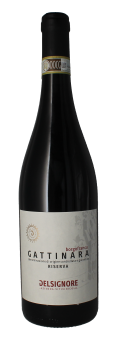
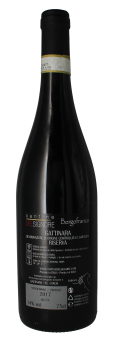
Brand: Cantina Delsignore
Brand: Cantina Delsignore
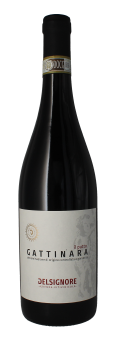
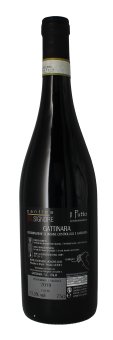
Brand: Cantina Delsignore
Brand: Cantina Delsignore
Gattinara: The noble alpine expression of Nebbiolo
Gattinara DOCG – The noble Nebbiolo from Alto Piemonte
Few Italian red wines boast such a rich history as Gattinara. This wine is produced in Alto Piemonte (Upper Piedmont) from the Nebbiolo grape – known locally as Spanna – and comes from the small town of Gattinara in the province of Vercelli. The winemaking tradition dates back to Roman times. For centuries, this wine was among the finest reds in Italy and, in 19th-century rankings, sometimes ranked above Barolo and Barbaresco. Not alongside them. Above them.
Gattinara was granted DOC status in 1967 and DOCG status in 1990. The appellation covers just around 100 hectares of vineyards on steep, glacier-carved slopes along the valley of the River Sesia. That makes it one of the smallest Nebbiolo DOCGs in Italy – by comparison, Barolo covers more than 2,000 hectares. Gattinara is, in the most literal sense, a boutique wine.
What sets it apart from its better-known southern cousins is, quite simply, the soil itself. The vineyards lie on acidic, iron-rich, porphyritic volcanic soils – remnants of a supervolcano that erupted some 280 million years ago. This mineral-rich geology, combined with a cooler subalpine climate shaped by Monte Rosa and the foothills of the Alps, produces Nebbiolo of remarkable elegance. Lively acidity. A smoky, mineral character that you simply won’t find in Barolo or Barbaresco.
Up to 10% of other local grapes – traditionally Vespolina and Uva Rara/Bonarda di Gattinara – may be blended in. However, many top producers now opt for 100% Nebbiolo to allow the terroir to shine through unadulterated.
Grape variety - Nebbiolo (Spanna)
In Alto Piemonte, Nebbiolo is known as Spanna – a local name that reflects centuries of regional identity. Genetically, it is the same grape as the Nebbiolo of Barolo and Barbaresco. But Spanna in Gattinara behaves differently. The cooler climate, the volcanic soils, the traditional winemaking – all this gives the grape a character all of its own.
The colour ranges from light garnet to brick red, often translucent as is typical of Nebbiolo. The tannins are firm and structured, but generally finer and more refined than what you find in the Langhe. The acidity is very high – a hallmark of the cool climate in Alto Piemonte – and the alcohol content is a moderate 13–14%, lower than in many Barolos.
In terms of aroma, expect roses, violets, sour cherries, raspberries, tar, leather, smoky minerality, iron, dried herbs, and a characteristic hint of graphite pencil shavings that has almost become a signature of the appellation. The volcanic porphyry soils provide that quality – the character of ‘iron filings’, ‘wet stone’ and ‘flint’ that regular Gattinara drinkers find unmistakable. Bright red fruits, floral freshness, mineral depth. In practice, it is one of the most distinctive expressions of Nebbiolo to be found.
Wine style
Gattinara is based on elegance and precision, not power. Whereas Barolo impresses with pure structure and concentration, Gattinara works differently – it seduces. Finesse, transparency, aromatic complexity. It is a more ethereal, perfumed, mineral-driven expression of the grape, and it rewards patience in a way that is entirely its own.
DOCG regulations
Standard Gattinara requires a total ageing period of 35 months – at least 24 months in wood (oak or chestnut) and 9 months in bottle. Riserva goes up to 47 months in total, 36 of which are in wood.
Style profile
The colour is light garnet red with brick-orange reflections, becoming more transparent as the wine ages. The body is medium – lighter and more elegant than Barolo. The tannins are firm and fine-grained, integrating beautifully over time. The acidity is crisp, lively and refreshing, providing both vibrancy and the structural backbone for long ageing.
On the nose: rose petals, violets, dried cherries, raspberries, tar, leather, tobacco, smoky minerality, iron, graphite, dried herbs, earthy undertones. The palate is elegant and mineral-driven, with a characteristic finish of bitter almond and smoke that lingers – long, complex, persistent, with that distinctive mineral-salty quality at the end. Top vintages age for 15 to 30+ years, making Gattinara firmly among Italy’s most age-worthy red wines.
Food pairing
Gattinara is a classic wine to drink with food. Its lively acidity and firm yet refined tannins make it highly versatile at the table – it pairs just as well with the hearty traditional cuisine of Piedmont and the Alpine regions as it does with more refined international dishes.
Classic pairings from Piedmont and the Alps: form the natural starting point. Brasato al Gattinara – beef braised in the wine itself – is the signature local dish, and frankly, there is little to fault in that combination. Also: stracotto (slow-braised beef), bollito misto with traditional sauces, agnolotti del plin with meat ragout or butter and sage, risotto alla Milanese with saffron and bone marrow, panissa vercellese (the local risotto with beans and salami), tajarin with truffle or rich meat sauce.
Meat and game: are equally at home here. Roast beef, lamb, veal with herbs. Game – venison, wild boar, hare, pheasant, partridge. Duck and goose, roasted or confit. Slow-braised meat in rich sauces, grilled steaks, bistecca alla fiorentina.
Dishes with mushrooms and truffles: deserve a special mention. Risotto or pasta with porcini. White Alba truffle – an almost perfect combination, if you can find it. Pasta stuffed with mushrooms, gnocchi, polenta with mushroom ragout.
Cheese: Mature, crumbly Castelmagno DOP, preferably with honey. Bra Duro, Toma Piemontese, Bettelmatt.
Mature Parmigiano Reggiano aged 24+ months. Gorgonzola Piccante pairs excellently with older, more developed Gattinaras.
International pairings that work well include roast duck with cherry sauce, beef Wellington or roast prime rib, coq au vin and other French stews, earthy mushroom risottos and hard, mature cheeses from any region.
Serving tips
Serve at 16–18 °C – slightly cooler than Barolo, which is more important than people often realise. Use a large Burgundy-style glass or a specific Nebbiolo glass to allow the aromas to come into their own. Decanting is strongly recommended: 1–2 hours for young Gattinara, handle with more care for older vintages. At its best 8–10 years after harvest. Top Riservas can last 20–30+ years and, as they mature, develop tertiary aromas of leather, tobacco, dried flowers and forest floor.