


Timorasso
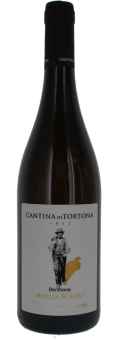
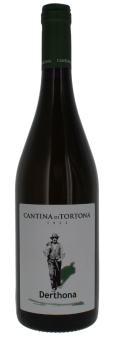
Timorasso from Piedmont: the fine white wine of the Colli Tortonesi<
Timorasso originates from the Colli Tortonesi – the hills around Tortona, in the province of Alessandria, tucked away in the south-eastern corner of Piedmont. It is one of the white grape varieties with the deepest roots in the region. And yet it had almost completely disappeared. The phylloxera plague struck hard. Then came two world wars. And after the war, there was a long-term shift towards easier-to-grow, higher-yielding varieties, such as Cortese. By the end of the 20th century, Timorasso had been reduced to a handful of struggling old vines – the variety had almost vanished for good.
One person effectively saved it. Walter Massa, a winemaker from Tortona, spent the 1980s tracking down those remaining vines and staked his reputation on claiming that Timorasso was a wine to be taken seriously. It worked. A new generation of producers followed his lead, and the grape is now considered one of Italy’s finest white wines – regularly compared to top Riesling, Chenin Blanc and white Burgundy.
Why Timorasso stands out
Timorasso ripens late and yields little. The grape thrives best on the limestone and clay soils of the Tortona hills, where the poor soil, sharp temperature fluctuations between day and night, and a climate caught between Mediterranean and Alpine influences put the vine to the test. What emerges from that struggle is remarkable. The wines have a body and structure closer to red wine than to most white wines. The acidity is high and sharp. The minerality is pronounced. And with time – we’re talking about 10 years – a good Timorasso develops a character reminiscent of matured Riesling.
The region
Several appellations apply here. The most important is the Derthona Timorasso DOC, which was established in 2023 and is named after the ancient Roman name for Tortona, Derthona – formerly known as Colli Tortonesi Timorasso DOC. The older Colli Tortonesi DOC Timorasso appellation is still in use. In addition, there are the sub-zones: Monleale and Derthona Riserva, which follow stricter production rules and require ageing of at least 24 to 30 months.
How it tastes
Type: Dry white wine (secco). Also produced as a late harvest, and occasionally as a sparkling wine.
Young bottles open with yellow peach, apricot, candied citrus, white flowers, sage, honeydew melon and a minerality of ground stone. Give it a few years and the profile shifts – honey, beeswax, dried apricot, candied ginger, hazelnut, saffron and that classic petrol note begin to emerge. The body is medium to full, rich and structured, with a supple, silky-smooth texture. The acidity remains high but integrates beautifully, giving the wine both tension and longevity. Long finish. The flavour leans towards the mineral and savoury, with a slightly salty note. Most bottles age beautifully – there are few white wines in Italy that reward patience as much as this one.
Food pairings
This wine has real structure and acidity, making it suitable for so many dishes. It is a surprisingly versatile white wine to serve in Italy.
Seafood and shellfish are a natural match – lobster, crab, scallops, prawns, oysters, seafood risotto.
Fish dishes too: grilled tuna, swordfish, sea bass in a salt crust, pan-fried turbot, fish in saffron or citrus sauces.
For Piedmontese classics, think of vitello tonnato, insalata russa, agnolotti del plin in butter and sage, tajarin with truffle, risotto ai funghi porcini, fritto misto. White meat also pairs well with it – roast chicken, capon, guinea fowl, rabbit, pork loin with herbs.
Cheese pairs excellently with it. Mature Castelmagno, Robiola di Roccaverano, Toma Piemontese, Parmigiano Reggiano, mature Gruyère.
Also earthy dishes: white truffle from Alba, porcini mushrooms, fonduta, polenta with cheese.
And it copes better with spices than most white wines – Thai curry, Indian tandoori, Moroccan tagine all pair well with it, as the wine’s body and acidity hold their own against powerful flavours.
Try it as an aperitif with cold cuts, focaccia, anchovies in green sauce (acciughe al verde) or bagna cauda.
Serving temperature:
young vintages at 10–12 °C.
Matured or Riserva bottles are best served at a slightly higher temperature – 12–14 °C – so that their complexity can fully unfold.