

Dolcetto
1 Items
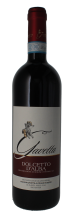
Brand: Cascina Gavetta
Dolcetto: The approachable, fruity red wine from the Langhe
Dolcetto – The charming everyday red wine from Piedmont
Brief description
Dolcetto completes Piedmont’s classic red wine trio, alongside Nebbiolo and Barbera. The name means ‘little sweet’ – a reference not to the wine itself, which is dry, but to the naturally sweet, ripe flavour of the grapes at harvest. Its cultivation dates back centuries. The first written mention dates from 1593, in the municipal statutes of Dogliani, where its planting was officially encouraged.
Nebbiolo enjoys prestige. Barbera wins hearts with its versatility. Dolcetto is something else entirely – it is the everyday wine that Piedmontese winemakers traditionally poured for themselves whilst their Nebbiolo was quietly maturing in the barrels in the cellar. It ripens earlier than both, making it highly suitable for cooler, higher-altitude vineyards, where the noble grapes might struggle to ripen fully.
Dolcetto is found in seven official appellations in Piedmont. The most important are Dolcetto di Dogliani DOCG, the historic heart and source of the most complex, age-worthy bottles. Then there is Dolcetto di Diano d'Alba DOCG, elegant and refined, grown on prestigious slopes. Dolcetto di Ovada DOCG / Superiore is richer and fuller-bodied, with real ageing potential. Dolcetto d'Alba DOC is best known internationally – fresh, fruity and approachable. The family is completed by Dolcetto d'Asti DOC, Dolcetto di Acqui DOC and Langhe Dolcetto DOC. Small quantities are grown in California, Australia and Argentina, but Dolcetto is truly a Piedmontese affair.
Grape character - Dolcetto
Dolcetto is an early-ripening grape with a thin skin that thrives on cooler slopes, often planted on north-facing slopes where Nebbiolo would not ripen fully. Despite its name, there is nothing sweet about the wine. What you get instead is a real personality – deep colour, gentle acidity and strikingly firm tannins – the opposite profile to Barbera.
The colour is deep purple-ruby red, often opaque and intensely pigmented. The tannins are moderate to firm: grippy, dusty, structured. The acidity remains low to moderate, softer than in both Barbera and Nebbiolo. The alcohol content is usually between 12.5% and 13.5%. Expect black cherries, blackberries, blueberries, plums, violets, liquorice and almonds on the nose – and that almond-like finish that is characteristic of this grape.
That contrast is really everything. On the one hand, juicy, sweet-tasting fruit. On the other, a slightly bitter, almond-like finish. No other Italian red wine comes close to this. The low acidity and firm tannins create a lush, rounded sensation on the palate, followed by a firm finish and an invigorating freshness.
Wine style
Most Dolcetto is fresh and fruity.
The body is medium. The tannins are moderate to firm, with that characteristic dusty grip. The acidity is soft and rounded.
The alcohol content remains moderate. Aromatically: black cherry, blackberry, plum, violet, liquorice, bitter almond, herbs. On the palate, the wine is juicy and fruity, supple yet structured. The finish is dry, with a hint of bitter almond, refreshing.
The two faces of Dolcetto
Classic Dolcetto is lively and fruity, unaged or lightly aged – the everyday red wine of Piedmont, meant to be opened without ceremony and drunk without hesitation. Dolcetto Superiore and Dogliani DOCG are quite different: made to age, with layers of dark fruit, herbs and earthy complexity. Top producers have crafted Dolcetto at this level that can rival lesser Barbera and, in terms of character and longevity, even some Nebbiolo.
Food and wine pairings
Just open it. That really is the essence of Dolcetto at the table. Medium-bodied, with gentle acidity and firm tannins – it pairs effortlessly with rustic, savoury, herb-laden Piedmontese cuisine.
Classic and traditional pairings
The traditional Piedmontese table is a perfect match for Dolcetto. Vitello tonnato – cold-sliced veal with tuna and caper sauce. Tajarin al ragu di salsiccia, egg pasta with sausage ragout. Agnolotti del plin, stuffed pasta from Piedmont. Brasato al Dolcetto, beef braised in the wine itself. Pasta e fagioli. Creamy polenta concia with cheese and butter.
Meat and poultry: Roasted and grilled pork, lamb, beef and veal all pair well with it. The same goes for sausages, salami and cured meats – especially Piedmontese salami. Roast chicken, duck, game birds, meatballs, slow-cooked stews. It can handle them all without complaint.
Cheese: Medium-aged cheeses are a natural match: Toma Piemontese, Bra, Castelmagno, Robiola. Semi-hard Alpine cheeses also pair well. Young Dolcetto, with its softer edges, pairs beautifully with soft, creamy cheeses.
Pizza, pasta and casual dishes: Few wines pair as naturally with pizza as Dolcetto – especially with sausage, mushrooms or olives. Tomato-based pasta, lasagne, baked pasta dishes. Burgers, hearty sandwiches, charcuterie platters, antipasti dishes. It is approachable without losing its character.
Vegetarian and earthy dishes: Risotto with mushrooms and truffle-based dishes are Piedmontese classics for good reason. Aubergine parmigiana, lentil stews, bean-based dishes. Roasted root vegetables and grilled portobello mushrooms round the meal off beautifully.
Serving tips
Serve at 14–16 °C, slightly cooler than most red wines, which emphasises the fresh fruitiness. A medium-sized red wine glass is perfect – a standard Burgundy glass or an all-round glass.