

Barbaresco D.O.C.G.
3 Items
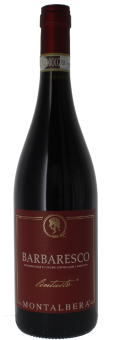
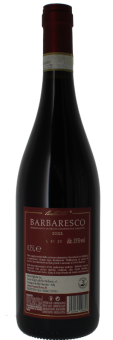
Brand: Montalbera
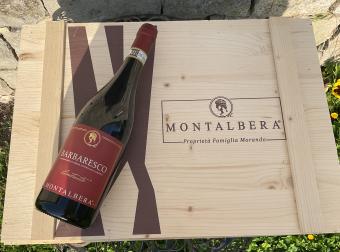
Brand: Montalbera
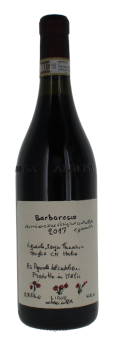
Brand: Sergio Ternavasio
Barbaresco: the elegant queen of Nebbiolo from the Langhe hills
Barbaresco – The queen of Italian wines
Barbaresco is considered one of Italy’s finest red wines. Often referred to as the ‘queen of wines’ in contrast to the ‘king’ Barolo, this wine is the elegant counterpart to its more famous neighbour – produced in the Langhe region of Piedmont, in north-western Italy, just a few kilometres north-east of Barolo. The wine is made exclusively from 100% Nebbiolo grapes and was granted DOCG status in 1980.
The production area comprises just four municipalities: Barbaresco, Neive, Treiso and a small part of Alba (San Rocco Seno d'Elvio). That is all – one of the smallest, most exclusive appellations in Italy. The region’s proximity to the River Tanaro creates a slightly warmer microclimate than in Barolo, causing the Nebbiolo to ripen earlier and giving the wines a delicate floral quality and aroma that sets them apart from almost all other wines in Piedmont.
The ageing requirements are strict, but slightly less so than those for Barolo – a minimum of 26 months in total (of which at least 9 must be in oak) for standard Barbaresco, and 50 months for Riserva. That relative accessibility is precisely the intention, and it makes Barbaresco the more accessible entry point into the serious world of Nebbiolo.
The wine’s reputation grew particularly in the 20th century, thanks to producers such as Angelo Gaja and the Produttori del Barbaresco cooperative, who brought the wine to the world stage as something truly great.
Nebbiolo
Barbaresco is made from Nebbiolo – a grape considered one of the most demanding and site-sensitive in the world. But Nebbiolo behaves differently here than it does in Barolo. Warmer temperatures, lower altitudes and calcareous clay soils with a higher limestone content all steer the variety in a different direction.
The colour is light garnet red with translucent ruby-red reflections, which shift to brick orange as it matures. The tannins are firm, yes, but finer and silkier than those of Barolo – elegant rather than imposing. The acidity remains bright and lively, giving the wine its vibrancy and ageing potential. The alcohol content is generally between 13% and 14.5%, slightly lower than in Barolo. And the aromas? Rose petals, violets, red cherries, raspberries, wild strawberries. Then deeper: aniseed, sweet herbs, tobacco, leather, white truffle, forest floor.
The earlier maturation and softer tannins give Barbaresco its distinctive character – more accessible when young than Barolo, but still built for the long term.
Style
Barbaresco is delicate and fragrant, but don’t mistake that for lightness. It is still powerful and structured. What sets it apart from Barolo is a certain softness, greater aromatic intensity, and a willingness to open up sooner – without losing the complexity or underlying ageing potential.
Some key characteristics: medium to full-bodied, silky-smooth tannins with good structure, high and lively acidity, generous alcohol content (13%–14.5%). The aromas consist of layers of rose and violet atop red cherries and raspberries, followed by liquorice, tobacco, leather, truffle, sweet spices and dried herbs. On the palate, it is elegant and persistent, with that rose and herbal character for which Nebbiolo is renowned. The finish is long – mineral, aromatic, refined. Top vintages and Riservas can age for 10 to 30+ years without any issues.
Two approaches to Barbaresco
Just like Barolo, Barbaresco has two camps.
Traditionalists prefer long macerations and ageing in large Slavonian oak barrels (botti grandi). The result is classic, fragrant wines – earthy, complex, made to age gracefully for decades.
Modernists take a different path: shorter macerations, French barriques, rounder textures, fruitier profiles with a more polished finish.
Food pairing
Barbaresco pairs well with a meal. Its structure and acidity give it a wide range of possibilities, but it is slightly more delicate than Barolo, meaning it pairs beautifully with refined Italian dishes, slow-cooked dishes and earthy ingredients – particularly the famous culinary culture of Piedmont itself.
**Classic Piedmontese pairings** are the obvious starting point. Tajarin al tartufo – thin egg pasta with butter and white truffle from Alba – is an almost perfect match. The same goes for agnolotti del plin, small, hand-shaped pasta boats filled with roasted meat. Risotto al Barbaresco (cooked with the wine itself), brasato al Barbaresco (beef braised slowly in the wine) and vitello tonnato – cold-sliced veal with a tuna and caper sauce – all go down a treat.
Meat and game: are also a natural pairing. Roasted or braised beef, veal and lamb. Duck, guinea fowl, pheasant and other game. Rabbit stew (coniglio in umido). Roasted pork loin with herbs.
Cheese: is another strong point – mature Italian varieties such as Parmigiano-Reggiano, Castelmagno, Toma Piemontese stagionata and Bra Duro all complement the wine’s structure well. Medium-aged Alpine cheeses with a nutty, earthy character also pair well with it.
Truffle and mushroom dishes: deserve a special mention. White truffle from Alba is almost legendary when paired with Barbaresco – the combination is almost self-evident once you taste it. Risotto with porcini mushrooms, tagliatelle or pappardelle are excellent choices. And egg dishes with truffle – uovo al tegamino con tartufo – are a classic regional pairing.
Serving tips
Serve at 16–18 °C. Decanting is recommended – about an hour beforehand for younger bottles. Use a large Burgundy-style glass or a special Nebbiolo glass to allow the aromas room to unfold.