

Vini Rossi
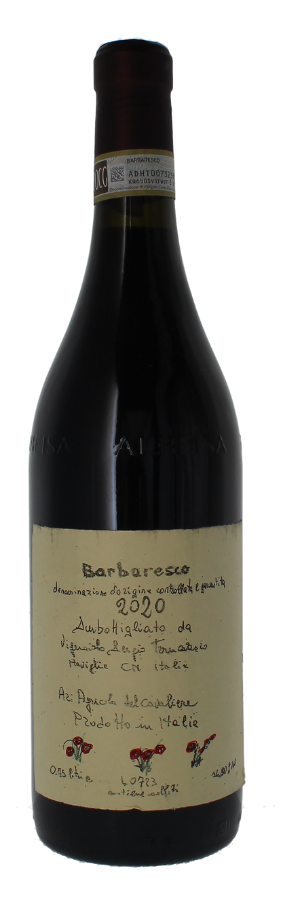
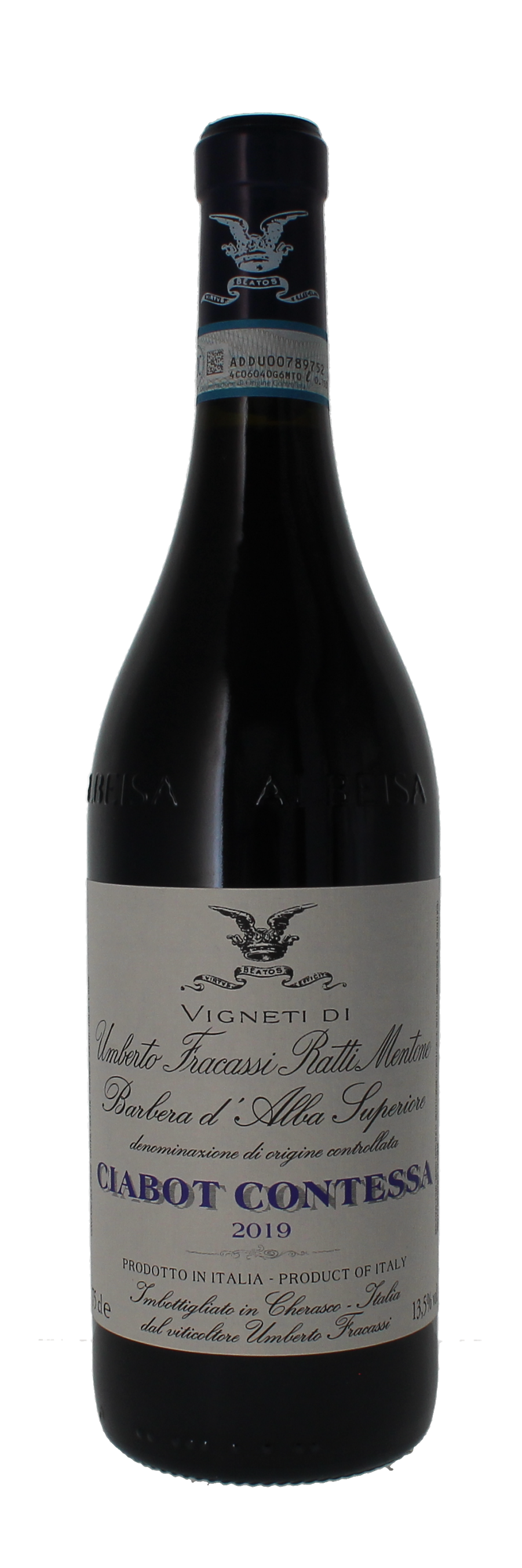
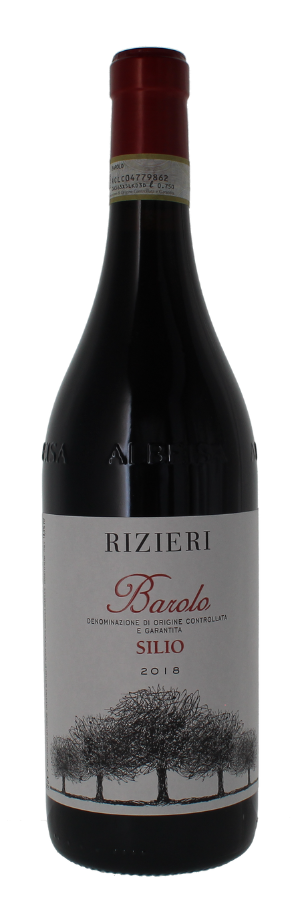
Red wines from Piedmont
Piedmont lies at the foot of the Alps. It is one of Italy’s most respected wine regions – an area where mist-shrouded hills, centuries-old wine cellars and a rich tradition come together to produce some of the world’s finest red wines. Every bottle is shaped by the terroir, the climate and the dedication of generations of winemakers.
Why choose red wines from Piedmont?
Red wines from Piedmont are renowned worldwide for their:
- Exceptional quality, underpinned by strict DOC and DOCG regulations
- Distinctive terroir, shaped by Alpine influences and unique soil compositions
- Excellent ageing potential, with many wines improving for decades
- Versatility at the table, pairing beautifully with Italian cuisine
- Centuries-old tradition combined with modern winemaking expertise
The Langhe
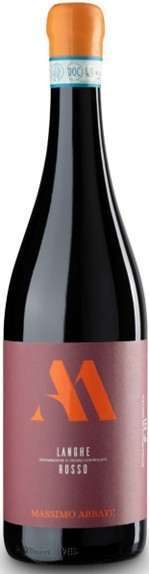
The Langhe is a UNESCO World Heritage landscape of vineyard-covered hills, medieval villages and hazelnut groves, rolling across southern Piedmont. At sunrise, the mist – the famous nebbia – drifts through the valleys and lingers amongst the vines.
The wines produced here are powerful yet refined. Structured. They embody the patience of slow maturation and the richness of complex aromas, with a depth made possible by the soil here – a mix of limestone, clay and marl. Frankly, tasting a red wine from the Langhe is like tasting Piedmont itself.
Key characteristics of red wines from the Langhe:
- Rich tannin structure
- Complex aromas of red fruit, herbs and earth
- Excellent ageing potential
- Strong DOCG classification system
Alto Piemonte – The Wild North
In the shadow of the Alps, Alto Piemonte speaks a very different language. Here, the vineyards climb over volcanic and glacial soils, swept by cool mountain breezes that lend the wines freshness and finesse.
This northern border region was once almost forgotten. That has changed – and rightly so. The red wines of Alto Piemonte are lively and mineral, with an elegance that reflects their Alpine origins – wines that tell a story of stone, altitude and resilience.
Why discover the red wines of Alto Piemonte:
- Distinctive mineral character
- Lighter body with lively acidity
- Excellent value for money compared to other top Italian wines
- Growing reputation on the international wine market
Asti – Tradition and vitality
The hills around Asti form a gentler landscape. Charming farmhouses, rolling slopes, and vineyards that have been cultivated for over two thousand years. Although Asti is often praised for its sparkling wines, the tradition of red wine is just as deeply rooted.
The red wines from this region are approachable and fruity – wines made to accompany a meal, to be shared. They capture the warmth of Piedmontese hospitality and the spirit of a region that has traditionally lived in harmony with the vine.
What to expect from red wines from Asti:
- Fresh, fruity profiles
- Soft tannins and a smooth drinkability
- Excellent versatility when pairing with food
- Excellent value for money
A region full of discoveries
Whether shaped by the mist of the Langhe, the Alpine air of Alto Piemonte or the sun of Asti – the red wines of Piedmont have one thing in common. They are wines of the place, of the people, of the time. Every glass is an invitation to explore a region where every hill, every village and every vintage tells a different chapter of the same story.
Discover the red wines of Piedmont – and discover the heart of Italian winemaking.
Main styles of red wine in Piedmont
Style | Features | Typical wines / grapes |
|---|---|---|
Light & fruity | Fresh, supple, low tannin | Treat |
Elegant & gastronomic | Fine acidity, refined tannins | Barbera |
Powerful & tannic | Complex, storage potential | Nebbiolo |
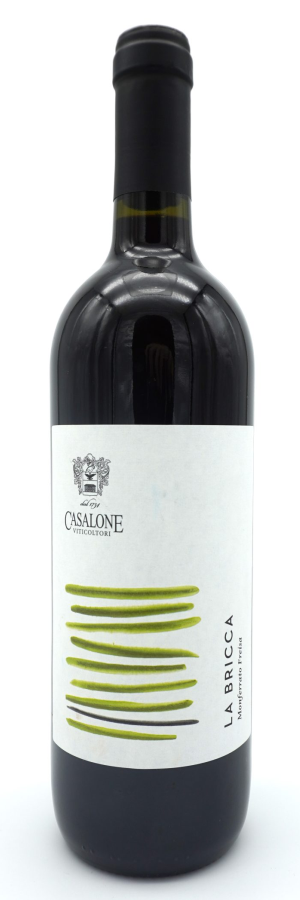
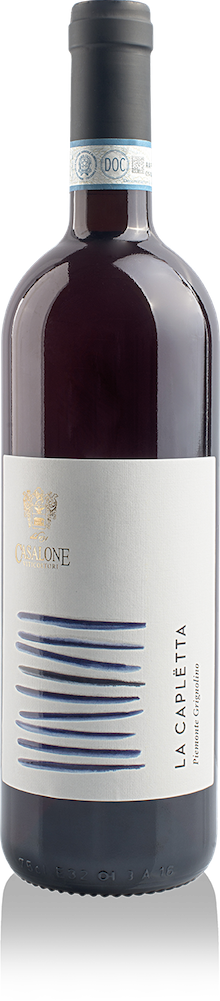
Soft & aromatic | Ripe fruit, accessible | Freisa, Grignolino |
Full & wood-aged | Structure, complexity | Barolo, Barbaresco |
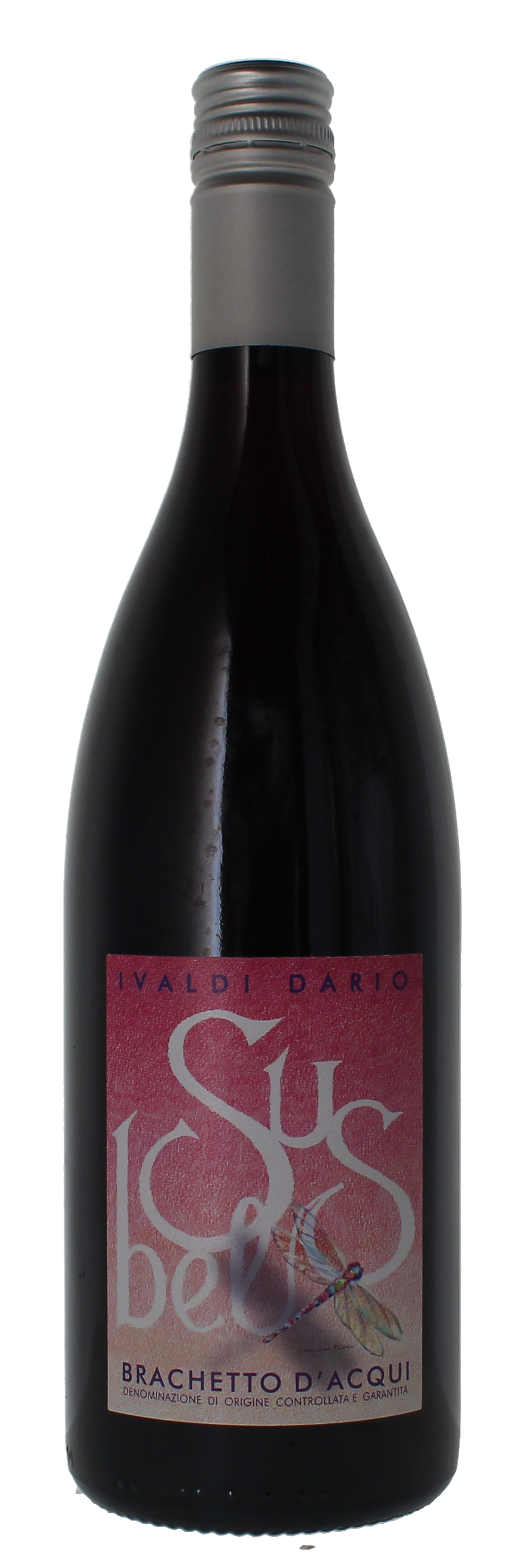
Sweet red | Aromatic and slightly sweet | Brachetto |
Frequently asked questions about red wines from Piedmont
1. What are the best-known red wines from Piedmont?
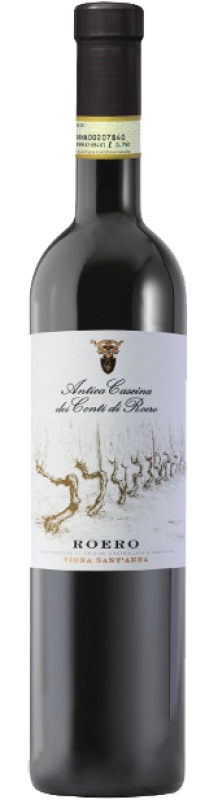
The best-known red wines from Piedmont include Barolo, Barbaresco, Barbera d'Alba, Barbera d'Asti, Dolcetto, Nebbiolo d'Alba, Roero and Gattinara. These wines are produced in the hills of Langhe, Monferrato and Roero, where the unique terroir and traditional winemaking techniques produce some of Italy’s most prestigious and long-lasting red wines.
2. Which grape varieties are used in red wines from Piedmont?
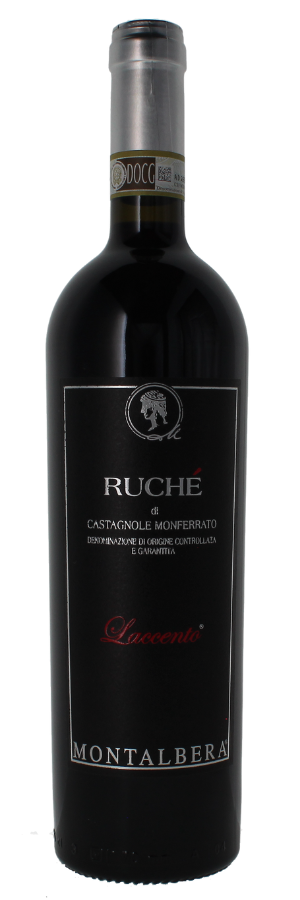
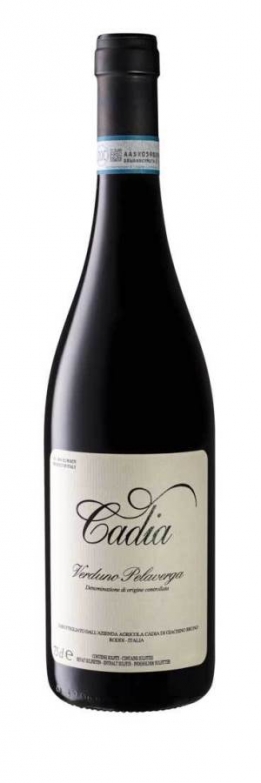
The main red grape varieties of Piedmont are Nebbiolo, Barbera and Dolcetto. Nebbiolo produces the legendary Barolo and Barbaresco, whilst Barbera yields fresh, fruity wines with lively acidity. Dolcetto offers soft, easy-drinking red wines. Other varieties include Freisa, Grignolino, Brachetto, Ruché and Pelaverga.
3. What is Barolo wine?
Barolo is a prestigious DOCG red wine made from 100% Nebbiolo grapes in the Langhe region of Piedmont. Barolo, known as the “King of Wines and Wine of Kings”, is full-bodied, tannic and highly suitable for ageing, with aromas of rose, tar, cherry, truffle and leather. It must be aged for at least 38 months, including 18 months in oak.
4. What is Barbaresco wine?
Barbaresco is a DOCG red wine, produced from 100% Nebbiolo grapes in the villages of Barbaresco, Neive and Treiso. Barbaresco is often referred to as the ‘elegant sister’ of Barolo or ‘The Queen of Wines’ and is slightly lighter and more approachable, with notes of flowers, red fruit and herbs. The wine must be aged for at least 26 months, including 9 months in oak.
5. What is the difference between Barolo and Barbaresco?
Both wines are made from Nebbiolo, but they differ in terroir, ageing and style. Barolo is more powerful, tannic and structured, and requires longer ageing. Barbaresco is softer, more elegant and more approachable. Barolo is aged for at least 38 months, whilst Barbaresco requires only 26 months, making it slightly more accessible to younger drinkers.
6. What is Nebbiolo?
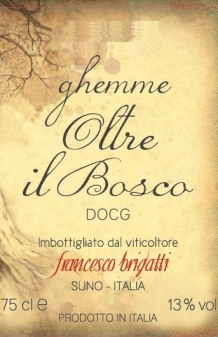
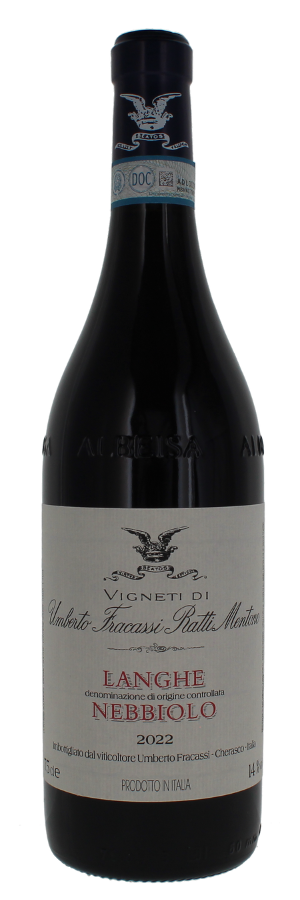
Nebbiolo is the noble grape of Piedmont, responsible for Barolo, Barbaresco, Gattinara, Ghemme and Nebbiolo d’Alba. The name is derived from ‘nebbia’ (fog), referring to the autumn mist in the Langhe. Nebbiolo wines are known for their light ruby colour, high tannin content, high acidity and complex aromas of rose, cherry, tar and truffle.
7. What is Barbera d'Alba?
Barbera d'Alba is a red DOC (Denominazione di Origine Controllata) wine produced in the Langhe region around Alba, in the Piedmont region of north-west Italy. It is made primarily from the Barbera grape, with a maximum of 15% Nebbiolo permitted in the blend.
8. What is Barbera d'Asti?
Barbera d'Asti DOCG is a lively red wine produced in the hills of Monferrato from Barbera grapes. It is known for its deep ruby red colour, juicy red fruit flavours, low tannins and bright acidity. Barbera d'Asti is versatile and pairs well with food; it goes perfectly with pasta, pizza, salumi and roasted meats. Some versions are aged in oak (Superiore) for added complexity.
9. How does Barbera d'Alba differ from Barbera d'Asti?
Although both are made from the Barbera grape, Barbera d’Alba comes from the Langhe (Alba region) and is generally richer, fuller-bodied and often aged in oak. Barbera d’Asti, from the hills of Monferrato around Asti, is generally lighter, fresher and fruitier, although styles vary by producer.
10. What is Dolcetto wine?
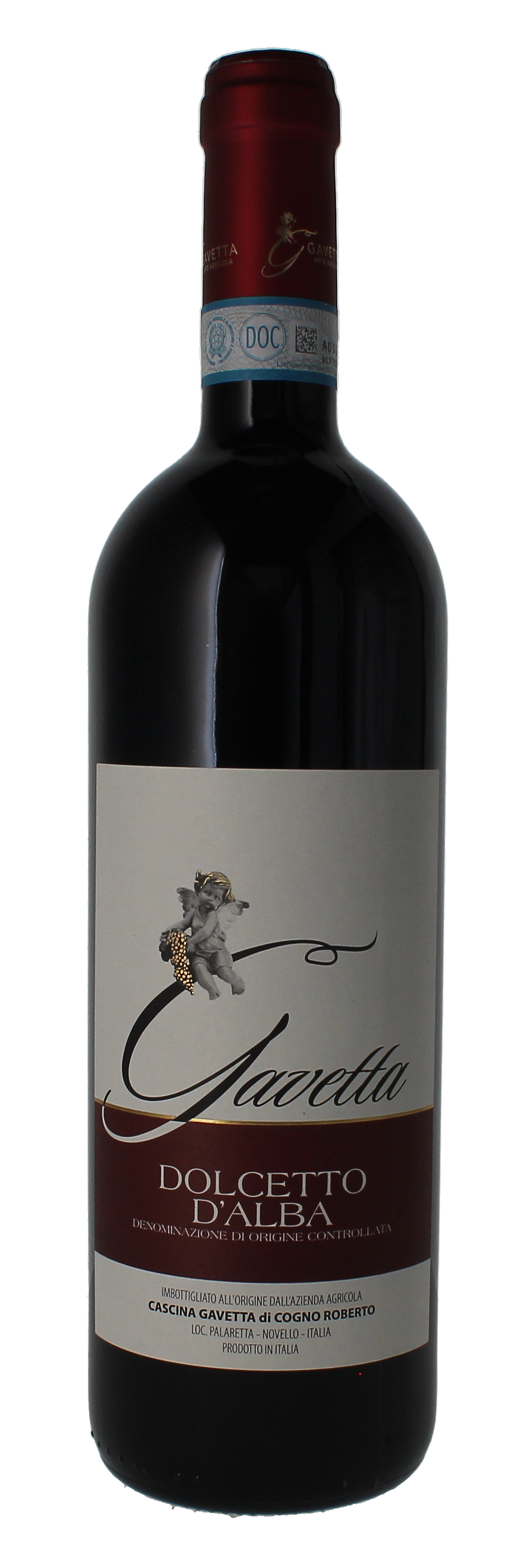
Dolcetto is a smooth, fruity and easy-drinking red wine made from the Dolcetto grape, primarily in Alba, Dogliani and Diano d'Alba. Although the name means ‘little sweet’, Dolcetto is dry, with low acidity, moderate tannins and flavours of black cherries, plums and almonds. It is usually drunk young and pairs well with antipasti and pasta.
11. What is Gattinara wine?
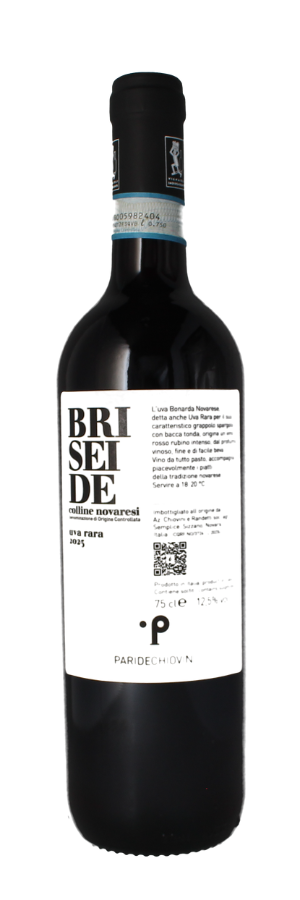
Gattinara DOCG is a prestigious red wine from northern Piedmont, made mainly from Nebbiolo (known locally as Spanna), sometimes blended with Vespolina and Uva Rara. Gattinara is grown on volcanic soils and is structured, mineral and suitable for ageing, with notes of red fruit, violets, herbs and earth. The wine must age for at least 35 months.
12. How long can red wines from Piedmont age?
The ageing potential varies by wine. Barolo and Barbaresco can age for 20–50+ years, whilst Gattinara and Ghemme age for 15–30 years. Barbera Superiore ages for 8–15 years, and Dolcetto is at its best within 2–5 years. Top vintages from prestigious producers can age for decades, developing remarkable complexity and elegance in the process.
13. Which dishes pair best with red wines from Piedmont?
Red wines from Piedmont pair excellently with the region’s rich cuisine. Barolo and Barbaresco pair well with braised meat (brasato al Barolo), game, truffle dishes and mature cheeses. Barbera pairs well with pasta, pizza, salumi and tomato-based sauces. Dolcetto pairs well with antipasti, charcuterie and light pasta dishes. Gattinara pairs well with roasted meat and risotto.
14. What is the Langhe region?
The Langhe is a hilly area in the south of Piedmont, which was designated a UNESCO World Heritage Site in 2014. It is the heart of the Nebbiolo region, where Barolo, Barbaresco and Nebbiolo d’Alba are produced. The region is also renowned for Alba white truffles, hazelnuts and traditional Piedmontese cuisine, making it a top destination for wine and culinary tourism.
15. What is Alto Piemonte?
Alto Piemonte (“Upper Piedmont”) refers to the northern part of the Piedmont region, situated at the foot of the Alps. It encompasses various DOC and DOCG areas that primarily produce Nebbiolo-based wines, known locally as Spanna.
16. How does Alto Piemonte Nebbiolo differ from Barolo or Barbaresco?
Alto Piemonte Nebbiolos are generally lighter in body, more elegant, with higher acidity and a more pronounced minerality thanks to the volcanic and glacial soils. They display more notes of red fruit, flowers and savoury/iron-like accents compared to the richer, more powerful Barolos and Barbarescos from the Langhe.
17. What are the Barolo MGAs (crus)?
MGAs (Menzioni Geografiche Aggiuntive) are official designations for individual vineyards within the Barolo DOCG, introduced in 2010. There are 181 MGAs, including legendary names such as Cannubi, Brunate, Bussia, Monfortino, Rocche di Castiglione and Cerequio. Each MGA expresses unique terroir characteristics, comparable to the premier and grand crus of Burgundy.
18. At what temperature should red wines from Piedmont be served?
Barolo and Barbaresco are best enjoyed at 16–18 °C (61–64 °F), allowing their complex aromas and structure to fully unfold. Barbera is ideal at 15–17 °C, whilst Dolcetto is best served at 14–16 °C. If these wines are served too warm, the alcohol can become too prominent, whilst temperatures that are too cold can dampen the aromatic complexity.
19. Why are red wines from Piedmont so prestigious?
Red wines from Piedmont are prestigious due to their unique terroir, historic winemaking traditions and exceptional ageing potential. The limestone-rich marl soils, the continental climate and the hilly vineyards produce wines of remarkable complexity, elegance and longevity. Combined with the dedication of generations of producers, Piedmont stands alongside Burgundy and Bordeaux as one of the world’s greatest wine regions.