

Viognier
1 Items
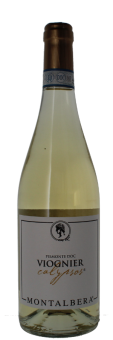

Brand: Montalbera
Viognier from Piedmont: the exotic, fragrant white wine from the Rhône that has found a home in the hills
Viognier is one of the most fascinating white grape varieties to be found. Traditionally, this grape was grown on the steep granite slopes of Condrieu and Château-Grillet in the northern Rhône Valley in France – a region where some of the world’s most sought-after white wines are produced. In Piedmont, however, it is a newcomer. Planted by forward-thinking, experimental winemakers who saw real potential in this fragrant variety, it has quietly taken root in warmer, well-situated locations in the Langhe, Monferrato and Colli Tortonesi.
It did not originally come from Piedmont. Yet somehow it thrives here.
The grape is mainly bottled under the Piedmont DOC and Langhe DOC as “Viognier” or “Bianco” and found its way here after it had almost died out. In the 1960s, there were fewer than 30 hectares of Viognier left worldwide. Then a spectacular international renaissance began – and the quality-focused producers of Piedmont joined in. They created wines that combine the wild, fragrant character of the grape with the structure, minerality and refinement that characterise the terroir of this region.
What makes this grape so special
Viognier is difficult to grow. Yields are low and the grape is capricious. It requires warm locations, meticulous viticulture and a harvest window that leaves virtually no room for error. Harvest too early and you get a flat, herbaceous, forgettable wine. Harvest too late, and the acidity plummets – the wine becomes limp and dull.
But if you get it just right? Then you get something truly remarkable.
When Viognier performs well, it delivers aromas you’ll find in almost no other white grape variety: apricot, peach, mango and lychee, layered over honeysuckle, jasmine and violets. The body is full. The texture is silky smooth, almost oily on the palate. The acidity is moderate to low, balanced by a rich, weighty sensation that coats the palate. Then come the spicy notes: ginger, white pepper, candied lemon peel, almond. And underlying it all, that floral punch – one of the most aromatic white grapes around. In more mature or oak-aged versions, honeyed and slightly resinous characteristics emerge, adding depth.
Where it is made
Viognier from Piedmont appears under various designations. The most important is the **Piedmont DOC Viognier**. In addition, producers also bottle it under the **Langhe DOC** – sometimes as a Viognier cuvée, sometimes simply as “Bianco”.
What you’ll taste
Dry Viognier - Stainless steel
Fresh, direct and lively. Expect apricot, peach, honeysuckle, jasmine, citrus blossom, white pepper and a subtle hint of almond. The body is medium to full, silky smooth, with clear fruit definition. The finish is long and aromatic – a delicate echo of flowers and stone fruit that lingers.
Barrel-aged Viognier
Richer notes. Candied apricot, mango, vanilla, ginger, toasted almond, honey, beeswax, dried flowers. The body becomes full and opulent, creamy in texture, with real depth. The finish is warm, lingering, spicy and honeyed.
Blended Viognier
Often co-fermented or blended with Chardonnay, Roussanne or other white grapes – with the aim of adding more aroma and textural richness. Occasionally, producers co-ferment Viognier with Syrah or Nebbiolo in red wines, a technique borrowed from the Côte-Rôtie that enhances both the aroma and colour stability.
Ageing: drink the non-oak-aged style young, within 2–4 years. Top barrel-aged versions are a different story – they can develop beautifully over 5–8 years, acquiring a honeyed, waxy, resinous depth.
Food pairings
The aromatic intensity, silky texture and moderate acidity of Viognier make it a real pleasure to pair with food – especially with flavourful, spicy, aromatic dishes where many other white wines simply fade into the background.
Antipasti and starters: Foie gras and duck liver pâté are a classic, decadent pairing. Smoked salmon with crème fraîche and dill goes beautifully with it. The same applies to swordfish or tuna carpaccio with citrus and herbs, stuffed courgette flowers with ricotta, or vitello tonnato with its creamy tuna sauce.
Asian and spicy dishes: This is where Viognier really comes into its own. Thai green curry, lemongrass chicken, pad thai. Vietnamese pho and fresh spring rolls with peanut sauce. Indian tandoori chicken, butter chicken, mild curries. Moroccan tagines with apricot, almond and saffron – a particularly natural combination. Chinese sweet-and-sour dishes and Peking duck complete the picture.
Seafood and fish:
Lobster with butter or vanilla sauce is a sublime combination, perhaps one of the Viognier’s finest pairings. Pan-fried scallops with citrus or saffron, grilled prawns, langoustines, crab. Rich fish dishes – monkfish, halibut, salmon with creamy sauces. Bouillabaisse and seafood stews.
Poultry and white meat: Roast chicken with herbs, lemon and olive oil. Duck breast with a peach or apricot reduction. Pork loin with stone fruit chutney. Turkey with cranberry and orange – truly one of the better wine choices for Thanksgiving. Veal schnitzel with a creamy mushroom sauce.
Pasta and risotto: Risotto with saffron or courgette flowers is a classic. Pasta with creamy seafood sauces – lobster, crab, prawns. Tajarin with butter and herbs. Ravioli stuffed with pumpkin or ricotta.
Vegetarian dishes: Roasted root vegetables with honey and thyme. Risotto or soup made with courgette and pumpkin. Stuffed peppers with rice and aromatic herbs. Vegetable curries with coconut milk. Salad of grilled apricots and goat’s cheese.
Cheeses: Soft, washed-rind cheeses go particularly well here – Robiola di Roccaverano, Taleggio, Munster. Aromatic blue cheeses such as Gorgonzola dolce or Roquefort. Triple-cream cheeses such as Brie de Meaux or Brillat-Savarin. Matured Toma piemontese with honey and walnuts.
Desserts (semi-dry or late-harvest): Apricot or peach tart. Crème brûlée with vanilla and stone fruit. Almond cake with poached pears. Fresh fruit salads with tropical fruit.
Serving temperature:
10–12 °C for wines not aged in oak;
12–14 °C for barrel-aged wines.