

Chardonnay
1 Items
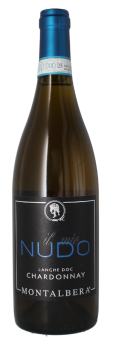
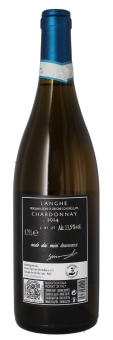
Piemonte Chardonnay – A dry white wine from northern Italy
Chardonnay is probably the world’s most famous white grape variety. Originally from Burgundy, France, this grape is now grown in all the major wine regions of the world. However, Piedmont has proved to be a particularly good home for it – the cool climate, the limestone-rich soils and the sharp daily temperature fluctuations produce wines with real elegance and freshness, which can often age just as well as the best Burgundies themselves.
Chardonnay arrived in Piedmont at the end of the 19th and beginning of the 20th centuries. But it was the 1980s that changed everything. Producers such as Angelo Gaja led the way, and his iconic Gaia & Rey became Italy’s leading Chardonnay – establishing Piedmont as a serious player on the international white wine stage.
Why this grape is so special
This is what makes Chardonnay endlessly fascinating: it faithfully reflects its terroir and the winemaker’s touch, ranging from slender and mineral to rich and buttery, depending on where and how it is made. In Piedmont, three main styles dominate. Non-oaked, stainless steel-fermented versions are crisp, fresh and fruity – pure naturalness. Barrel-fermented, oak-aged styles go in the opposite direction: complex, creamy, structured, with toasted vanilla notes. Then there is the sparkling Alta Langa DOCG, a wine made using the traditional method, often blended with Pinot Noir and produced in the high-altitude Langhe hills.
Where is the grape grown?
You’ll find Piedmontese Chardonnay under various appellations. The most common is **Langhe Chardonnay DOC**, which covers the Langhe hills. **Piemonte Chardonnay DOC** covers a broader regional area. **Alta Langa DOCG** is the prestigious category of sparkling wines produced using the traditional method – vineyards at high altitudes of at least 250 m, aged on the lees for a minimum of 30 months. And **Monferrato Chardonnay DOC** covers the hills further north.
Tasting notes
Type: Dry white wine (secco); also produced as sparkling wine using the traditional method (Alta Langa) and occasionally as a late harvest
Profile (un-oaked): Green apple, pear, citrus, white flowers, mineral notes
Profile (oaked): Yellow apple, ripe pear, pineapple, hazelnut, butter, vanilla, brioche, toasted almond
Body: Medium to full-bodied, depending on the style
Acidity: Fresh and balanced – the cool nights in Piedmont deserve the credit here
Finish: Long, layered, often with creamy or mineral nuances
Ageing potential: Excellent. Top examples aged in oak can age well for 10–15 years or more.
Food pairings
Few white wines pair with as many dishes as Chardonnay.
For seafood: lobster, scallops, grilled salmon, sea bass, tuna tartare, creamy seafood risotto.
On the Piedmontese side: tajarin with butter and sage, risotto with porcini or truffle, agnolotti del plin in cream sauce, vitello tonnato.
Cheese also pairs excellently with it – matured Castelmagno, Toma, Bra Duro, Parmigiano Reggiano and softer varieties such as Robiola or Brie. Poultry and white meat go well with it: roast chicken, turkey, capon, guinea fowl, pork loin in a cream sauce.
The non-oak-aged varieties are lighter – vegetable tarts, salads, sushi, ceviche, crudo.
Earthy dishes such as mushroom risotto, truffle pasta and polenta with fonduta, on the other hand, pair very well with the oak-aged versions.
Alta Langa sparkling wine is an occasion in itself: cured meats, focaccia, fried seafood, fresh cheeses.
Serving temperature:
- Not oak-aged: 8–10 °C
- Oak-aged / Riserva: 10–12 °C
- Alta Langa sparkling: 6–8 °C