

Favorita
3 Items

Brand: Umberto Fracassi Ratti Mentone
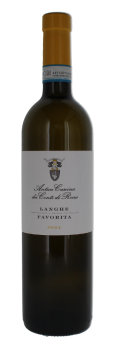
Brand: Antica Cascina dei Conti di Roer
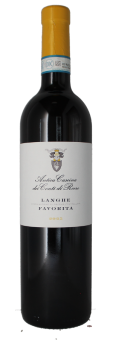
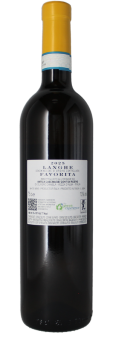
Brand: Antica Cascina dei Conti di Roer
A favourite from Piedmont: a fresh, mineral-rich white wine from the sandy hills of the Roero
Favorita has been a household name in Piedmont for centuries – it is fresh, mineral and has subtle aromas. It grows mainly in the hills of Roero on the left bank of the River Tanaro, in the province of Cuneo, with smaller vineyards scattered throughout the Langhe. The name itself – which means ‘the favourite’ – is no coincidence. For centuries, this was the favourite table grape and wine of the Piedmontese aristocracy, gracing the courts of Turin and the noble estates of the Roero in the 17th and 18th centuries.
DNA research confirmed what wine historians had long suspected: Favorita is genetically identical to Vermentino – the famous coastal grape of Liguria, Sardinia and Tuscany. But centuries of growing in the continental climate of Piedmont and those characteristic sandy soils have given the grape something entirely of its own. More linear than its Mediterranean cousins. Mineral. More vertically structured. For much of the 20th century, it almost disappeared, supplanted by more commercial varieties. Then came a comeback – driven by a new generation of Roero winemakers who recognised its elegance and versatility at the table.
What the grape has to offer
Favorita ripens late. It thrives on the sandy, marine sediment soils of the Roero – soils formed from an ancient sea that once submerged the entire region, leaving behind fossil-rich sands that bring mineral notes and a briny edge to every glass. The grape itself forms medium-sized, loose bunches of golden-yellow berries with thick skins that reward patience, as they only develop their best character when fully ripe.
What you get in the glass is fresh, pure citrus with a lively natural acidity. The aromas lean towards delicate citrus and white fruit – grapefruit, lemon, green apple, white peach – alongside a hint of minerality and salinity that is unmistakably reminiscent of Roero sand. Dig a little deeper, and there are also subtle herbal and floral notes: sage, wild fennel, acacia, hawthorn. The body is light to medium and the finish is clean, with a slight bitter-almond edge that lingers.
How it ages
Dry Favorita
The profile consists of lemon zest, grapefruit, green apple, white peach, acacia blossom, wild fennel, sage – and that salty-mineral undertone that runs through it all. Light to medium body. Crisp, dry, refreshing. The finish is clean and mineral, with a touch of bitter almond and lemon zest at the end.
Ageing potential
Favorita is generally intended to be drunk young, ideally within 1–3 years. However, carefully crafted examples from top producers can develop in intriguing ways – after 3–5 years in the bottle, a waxy, spicy and salty complexity begins to emerge.
Food pairings
Bright acidity. Mineral backbone. Delicate aromas. This makes Favorita one of the most versatile white wines produced in Piedmont, particularly at home with fresh, light and seafood-based dishes.
Antipasti & starters: Vitello tonnato is the classic Piedmontese pairing – practically a must. But Favorita also pairs well with insalata russa, carne cruda all’albese, prosciutto with melon, and bresaola with rocket and Parmesan. Fresh oysters, clams, raw fish and seafood. Marinated anchovies, acciughe al verde.
Seafood & Fish: Grilled or steamed white fish – sea bass, sea bream, turbot – is its natural domain. The same applies to shellfish and crustaceans: prawns, langoustines, scallops, mussels. Seafood risotto, spaghetti alle vongole, linguine ai frutti di mare. Fried calamari, fritto misto di mare. And it goes surprisingly well with sushi and sashimi, ceviche and tuna tartare.
Pasta & Risotto: Tajarin with butter and sage. Risotto with asparagus, lemon or courgette flowers. Pasta with pesto – a logical nod to the Ligurian Vermentino roots. Ravioli del plin with a light butter sauce.
Vegetarian dishes: Spring vegetables are, of course, a perfect match: asparagus, artichokes, broad beans, peas. Also fennel and orange salad, caprese, panzanella. Vegetable tempura, grilled summer vegetables, quiches and frittatas with fresh herbs.
Cheeses: Mainly fresh cheeses – Robiola di Roccaverano, goat’s cheese, ricotta, burrata. Tomino, mozzarella di bufala, stracchino. Young Piedmontese Toma and other delicate Alpine varieties.
Aperitivo: Serve well chilled on the terrace with grissini, focaccia, olives, taralli and light salumi. It’s that simple.
Serving temperature: 8–10 °C