Barbera: the lively and versatile soul of Piedmont
Barbera – The Heart of Piedmont
Overview
Barbera is one of Italy’s most beloved and widely planted red grape varieties, with deep roots in the Piedmont region of north-western Italy. For centuries, this wine has been known in Piedmont as the ‘people’s wine’ and has been a daily companion at local tables – present at lunch, dinner and at celebrations that nobody captured on camera. Whilst Nebbiolo (Barolo and Barbaresco) claims the aristocratic limelight, Barbera is the true heart of the region. Fresh, fruity, with a lively acidity and a versatility that suits almost any occasion – that is what keeps this wine on the table.
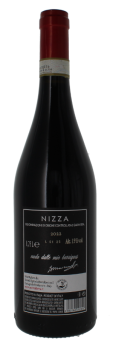
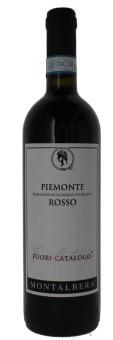
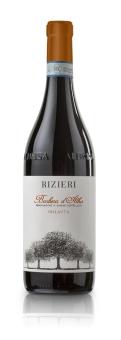
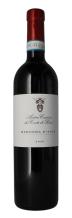
You can trace Barbera in Piedmont back to at least the 13th century. The name appears as early as 1246 in official documents from the Monferrato region. Today, production encompasses various appellations. The three main ones are: Barbera d'Asti DOCG, which is frankly considered the benchmark – elegant, fragrant and structured. Then there is Barbera d'Alba DOC, richer and fuller-bodied, often grown on the same hillsides as Nebbiolo. And Barbera del Monferrato DOC / Superiore DOCG, lively and approachable, sometimes with a slightly sparkling character rooted in local tradition.
Barbera d'Asti was elevated to DOCG status in 2008, in recognition of both its quality and historical significance. Outside Italy, the grape has gained a foothold in California, Argentina and Australia – but its most authentic expression remains linked to the rolling hills of Piedmont.
The grape itself
Barbera grows well in a variety of soils and climates. It thrives particularly well in the limestone- and clay-rich hills of Monferrato, Asti and Alba. Three characteristics define it above all: deep colour, low tannins and naturally high acidity. This combination is what sets Barbera apart from most Italian red wines and makes it so effortlessly suitable with food.
The colour ranges from deep ruby red to purple, often darker than Nebbiolo. The tannins are low to moderate – soft, supple, and approachable. The acidity is the real hallmark here: high and lively, giving the wine its freshness and vibrancy. The alcohol content is usually between 13% and 15%, with the grape easily maturing into full-bodied wines. On the nose, expect black cherries, blackberries, plums, red berries, violets, liquorice, sweet herbs and subtle spicy notes interwoven throughout.
That combination of bright acidity and low tannins creates something interesting: it makes Barbera both ready to drink now and suitable for ageing gracefully, particularly in the oak-aged Superiore versions, where time adds an extra dimension without detracting from the fruit.
What Barbera tastes like
Barbera covers an exceptionally broad spectrum. On the one hand, there are young, juicy, easy-drinking wines, made for everyday enjoyment. On the other hand, there are richer, oak-aged Superiore styles that can age for decades and rival some of Italy’s most prestigious red wines. What unites them is the acidity, the fruit and how naturally they pair with food.
Body: Medium to full
Tannins: Low to moderate, supple and round
Acidity: High, lively, refreshing
Alcohol: Rich (13%-15%)
Aromas: Black cherry, blackberry, plum, violet, liquorice, vanilla, sweet spices, cocoa (when oak-aged)
Taste: Juicy, fruity, delicious, with a velvety texture
Finish: Bright, fresh and lingering
Ageing potential: 2–5 years for everyday wines; 10–20+ years for top-tier wines such as Superiore and Riserva
Two styles of Barbera
Classic Barbera – unaged or lightly oaked – is lively and fruity, made to be enjoyed young. Bright acidity, juicy berries, a refreshing character. The sort of wine you open on a Tuesday without any fuss.
Barbera Superiore, or barrique-aged Barbera, is something quite different. Aged in French oak, often for 12–24 months, these wines become richer and fuller-bodied. You’ll taste notes of dark fruit, spices, vanilla and cocoa that develop over time. Top examples can truly rival Barolo and Barbaresco in terms of depth and ageing potential.
Food pairing
Most people call Barbera the ultimate wine to drink with food – and it’s really not hard to see why. The lively acidity cuts through the richness. Soft tannins and juicy fruit pair well with a wide range of dishes. It is the wine that Piedmontese families have been serving for generations at lunch, dinner and everything in between.
Classic & traditional pairings: The logical starting point is Piedmontese cuisine itself. Bagna cauda – that warm dip of anchovies and garlic with raw and cooked vegetables – is a classic pairing. The same goes for tajarin al ragu (egg pasta with meat sauce), agnolotti del plin (stuffed pasta with a filling of roasted meat) and risotto ai funghi. Pizza and pasta al pomodoro are also excellent matches; the acidity of Barbera finds a natural harmony with tomato-based dishes.
Meat & poultry: Grilled and roasted meat – beef, pork, lamb, sausages – are reliable pairings. Roasted chicken, duck and turkey. Braised meat and stews such as stracotto and spezzatino. Also cured meats: salami, prosciutto, bresaola, coppa.
Cheese: Medium-aged cheeses pair well – Toma Piemontese, Asiago, Fontina, Pecorino. Younger Barbera styles also pair well with soft, creamy cheeses. And matured Parmigiano-Reggiano finds a natural partner in Barbera Superiore.
Pizza, burgers & casual dishes: To be honest, few wines pair as well with pizza as Barbera – margherita, pepperoni, mushrooms, take your pick. Burgers, meatballs, lasagne, baked pasta. Anything tomato-based or rich in herbs usually pairs well.
Vegetarian dishes & mushroom dishes: Aubergine parmigiana is a winning combination. Mushroom-based pastas and risottos, stuffed peppers, ratatouille, roasted vegetables – Barbera handles it all with ease.
Serving tips: Serve younger wines at 15–17 °C, and oak-aged Superiore slightly warmer at 17–18 °C.
A medium-sized red wine glass is suitable; Bordeaux-style glasses are particularly well-suited to Superiore.